Posts

Showing posts with the label how to get rid of algae in an aquarium

Excellent Freshwater Algae Eaters in Aquariums: Vampire Shrimp
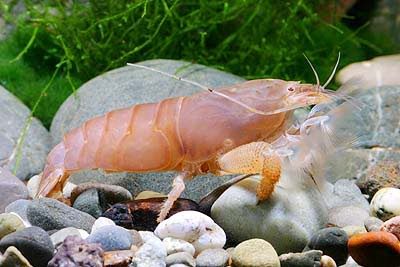
Image
ExcellentFreshwater Algae Eaters in Aquariums: Vampire Shrimp – Vampire Shrimp, Atya gabonensis, also called African Fan Shrimp, Giant African Fan Shrimp, African Filter Shrimp, Giant African Filter Shrimp, Gabon Shrimp, or Viper Shrimp, are natives of areas of South America and parts of Western Africa. Photo copyright from angelfishaquatics.co.uk  Excellent Freshwater Algae Eaters in Aquariums: Vampire Shrimp Vampire Shrimp are peaceful on the bashful side and they enjoy little places to hide. At exactly the same time, Vampire Shrimp appears to be rather social with other filter shrimp. They seem to be quite secure hanging out with other freshwater shrimp, notably Bamboo Shrimp in the water current. We'd no idea they were filter feeders (like the Flower Shrimp) and wouldn't hurt a water flea. We do have to confess that "vampire shrimp" sounds much more alluring than "African filter shrimp." However, if you treat your vampire shrimp exa...
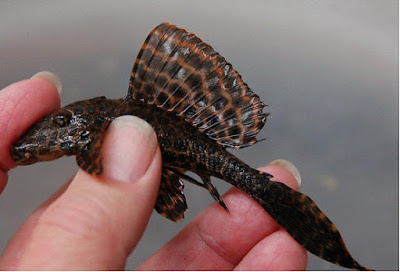
The Best Freshwater Algae Eaters in Aquariums: Amazon Sailfin Pleco

Image
The BestFreshwater Algae Eaters in Aquariums: Amazon Sailfin Pleco – It is one of several species generally called the common pleco or "Amazon Sailfin Pleco"[citation needed] by aquarists. It'll grow to a maximum length of 42.3 centimetres (16.7 in) SL. Pterygoplichthys pardalis is occasionally mistaken with the Hypostomus plecostomus (another armored catfish referred to as the "common plecostomus"). Photo copyright from aqualandpetsplus.com  The Best Freshwater Algae Eaters in Aquariums: Amazon Sailfin Pleco This fish may become more agressive, especially to other plecos. It is a very hardy fish nevertheless, and is a good add-on to larger tanks. When of a suitable size has the capacity to hold its own with most other fishes. Driftwood ought to be comprised in the tank. Plecos will frequently eat live plants in the tank. As this signals, when buying a specimen, do not buy fish with hollow stomachs the fish has not eaten recently, and will mos...

The Great Freshwater Algae Eaters Shrimp in Aquariums: Wood Shrimp

Image
The GreatFreshwater Algae Eaters Shrimp in Aquariums: Wood Shrimp – The Wood Shrimp is one of the best shrimp in the avocation. It has several different names it's associated with including Wood Shrimp, Fan Shrimp, the Asian Filter Shrimp, and some others. I've kept several of this species at different periods in my own shrimp keeping. Photo copyright from aquaticquotient.com  The Great Freshwater Algae Eaters Shrimp in Aquariums: Wood Shrimp From southern Asia it has found its way to the aquarium hobby that was American. When first introduced it was difficult to acquire, but not many local fish shops and big box aquarium retailers carry this shrimp. Wood shrimp blends into an aquarium and you'll love seeing them. They are composed and a nice addition to your home aquarium. In keeping an aquarium for beginners, you should think about keeping Wood Shrimp since it’s easy to care and undemanding. Wood Shrimp Diet Wood Shrimp are filter feeders and...

Perfect Freshwater Algae Eaters in Aquariums: Zebra Otocinclus

Image
PerfectFreshwater Algae Eaters in Aquariums: Zebra Otocinclus – The Zebra Otocinclus (Otocinclus cocama) is among the smallest catfish in the Loricariidae family and is a voracious algae eating machine. Named for the Cocama-Cocamilla Indian tribes that used to be dominant in the low Ucayali and lower Marañon region of Peru, tropical fish also refers to as Zebra oto or the Tiger oto Otocinclus cocama keeping enthusiasts. Photo copyright from aquaticquotient.com  Perfect Freshwater Algae Eaters in Aquariums: Zebra Otocinclus Colour of the body is beige-grey. These stripes are dashed plus they produce a design just like a zebra's stripes. The head of the fish is nearly entirely dark. The fish has beige-yellow under side. The caudal fin has shadowy edge which looks like ”w” letter. The dorsal fin is dark. This species has a sucker-mouth. The gender of the fish may be comprehended when they are sexually developed. Female is thicker than male in the ventral parts. ...

Effective Freshwater Algae Eaters in Tropical Tanks: Golden Cloud Pleco

Image
EffectiveFreshwater Algae Eaters in Tropical Tanks: Golden Cloud Pleco – The Scobinancistrus genera have an unusual dentition. They have 3 to 4 teeth in every single half of the upper jaw and also the same in the lower jaw. Similar to Scobinancistrus pariolispos and may be a form of the species. Photo copyright from  elite-pets.narod.ru Effective Freshwater Algae Eaters in Tropical Tanks: Golden Cloud Pleco As juveniles, these fish could be held in little groups but as they grow they will become territorial in the tank. Scobinancistrus pariolispos prefer subdued lighting and add wood or stone to create hiding places, adding floating plants will also create shading areas. Scobinancistrus is a genus of armored catfishes native to the southeastern Amazon Basin in Brazil. An extremely similar (possibly identical) form can be exported in the Rio Xingu and underneath the identity of L048. As you CAn't tell them apart from pictures we've lumped the two together her...

Awesome Algae Eater Snails in Freshwater Aquariums: Japanese Trapdoor Snail

Image
AwesomeAlgae Eater Snails in Freshwater Aquariums: Japanese Trapdoor Snail – That is the only real snail's scientific name about which I 'm 100% confident! Trapdoors are large (1-2 inch, normally about 1.25") snails formed like a swirly ball. While trapdoor snails don't require dirt in the bottom of the pond to overwinter, they enjoy having a few stray leaves or a pot of soil topped with pea gravel to "drive around in." They do better in older ponds with more food. Photo copyright from amazon.com  Awesome Algae Eater Snails in Freshwater Aquariums: Japanese Trapdoor Snail This snail is a superb asset as they groom your plants, putting pots and watergarden walls in keeping algae. They consume decaying matter such as fish food and leaves and also cruise the pond bottom. These are live bearing snails. They just breed a couple of times annually so do not expect them to multiply fast like regular egg laying snails. It's also known as the ...

Awesome Freshwater Algae Eaters in Fish Tank: Candy Striped Pleco

Image
AwesomeFreshwater Algae Eaters in Fish Tank: Candy Striped Pleco – The scientific name for the Sweet striped pleco is Peckoltia vittata. Earlier, the name Chaetostomus vittatus was utilized. The L-number for Sweet striped pleco was L015. It's sold under the name Candy striped Peckoltia, because the Candy striped pleco belongs to the genus Peckolita. Within the hobby, Peckoltia vittata is frequently confused using the Clown pleco Panaque maccus. Photo copyright from monsterfishkeepers.com  Awesome Freshwater Algae Eaters in Fish Tank: Candy Striped Pleco Peckoltia: named member of the Natural History Commission of Rondon, after Gustavo Peckolt. This specific epithet literally means decorated with a thread(vittata=decorated using a ribbon) and refers to the groups of colour on its body. Just like most Loricariids, colouration depends on disposition. Diet This fish is omnivore, hey will eat most foods offered them. Though they are not amazing algae eaters...

The Great Freshwater Algae Eaters in Fish Tank: Leopard Cactus Pleco

Image
The GreatFreshwater Algae Eaters in Fish Tank: Leopard Cactus Pleco – As they develop leopard cactus pleco’s are typically peaceful but will become territorial. They prefer subdued add bog wood and lighting or similar to the tank to create hiding places. It's a waste producer that is high so outstanding filtration is needed in addition to regular water changes. So they are best kept in a bigger aquarium, the mature size of this fish is quite big. Photo copyright from piranha-info.com  The Great Freshwater Algae Eaters in Fish Tank: Leopard Cactus Pleco As juveniles the fins of the leopard-cactus pleco is going to have yellowish colouration but as the yellow matures will fade along with the finnage will take about the exact same camouflage pattern as the main body. These fish require lots of open space in the underside of the aquarium put set ups aren't ideal. It is much better to utilize sand and add pieces of wood or pvc piping to provide hiding places and n...

Perfect Freshwater Algae Eaters in Aquariums: Scarlet Pleco

Image
PerfectFreshwater Algae Eaters in Aquariums: Scarlet Pleco – It will not matter what you keep, being it livebearers cichlids or arowanas, you just need to add this beauty in your tank. Of course it grows big (over 45 cm) it is extremely territorial and competitive and - take my word for it - messy. It's also a substantial eater as well as a fish that will not show up when you want to reveal it to your friends. Photo copyright from canadapleco.com  Perfect Freshwater Algae Eaters in Aquariums: Scarlet Pleco Etymology this fish: Pseud- Greek: Fake, Acanthicus - Greek: Spiny, Thorny. Literally "Untrue Acanthicus" referring to the genus being similar to, yet different from, Acanthicus. The specific epithet is derived from local fishermen's common name for this species, the "assacu pirarara:" Pirarara identifies the species' reddish fins (this is, in addition, the Brazilian common name the red tail catfish, Phractocephalus hemioliopteru...

Awesome Freshwater Algae Eaters in Tropical Tank: Titanicus Pleco

Image
AwesomeFreshwater Algae Eaters in Tropical Tank: Titanicus Pleco – L273 is one of the most amazing Pseudacanthicus species. Particularly young specimens reveal an incredible contrast routine that is abundant, and a few individuals keep this even to  adulthood. On the other hand, some specimens that are adult become drab gray with little colour.  Photo copyright from planetcatfish.com  Awesome Freshwater Algae Eaters in Tropical Tank: Titanicus Pleco There is a top number in this species of contrast and colour intensity, and higher costs are typically demanded by the individuals that are colourful in the marketplace. L273 has not been bred so all specimens on offer are wild caught. Luckily the species is allowed for export. A variably noticeable species, the greatest examples of which may be unbelievably attractively marked. Cactus Plecos are among the most impressive of all Loricariidae. They grow into big, territorial feeding machines which will...